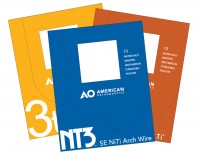
NT3® SE NiTi Wire
NT3 Nickel Titanium Arch Wire
- Fully active at room temperature
- Exhibits excellent springback
- Gentle to patients, but powerful enough to align even the most challenging cases
- Moderate forces are an excellent choice for all treatment phases except finishing
Therma-Ti® Lite
- Lightest force heat activated wire, transitions to its active state at 35˚ C
- Soft at room temperature for easy and comfortable wire insertion
- All cross sections are best suited for low force applications
- Rectangular dimensions to deliver optimal light forces during initial treatment phase
TriTanium™ Wire
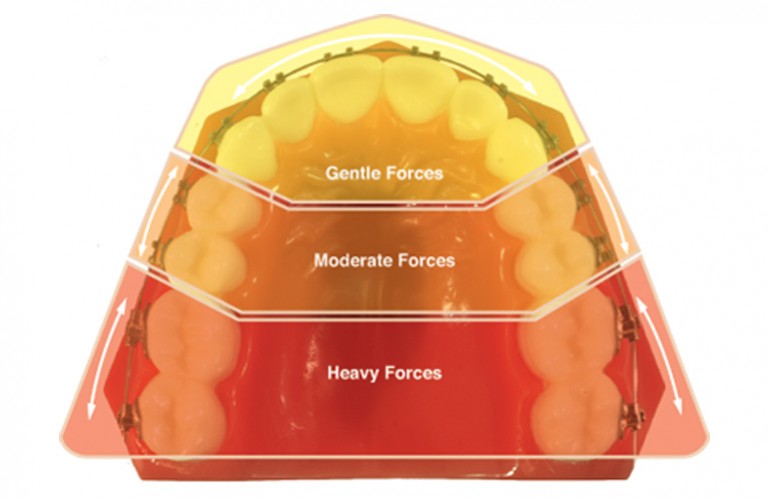
Different teeth benefit from different tooth moving forces.
TriTanium has three distinct thermally activated force regions which place the correct force in the anterior, bicuspid, and posterior arch regions to efficiently level, align, and torque. With any other arch wire it could take multiple arch wire changes to achieve similar results.
- Superior Patient Comfort
- Fewer Archwire Changes
- Longer Treatment Intervals

Product Features
Gentle Forces
The anterior region has a gentle heat activated force, similar to Therma-Ti Lite, for moving small single-rooted teeth. (Tritanium)
Moderate Forces
The mid-region has a moderate hear activated force, similar to standard Therma-Ti, for larger rooted biscuspids. (Tritanium)
Heavy Forces
The posterior region has the heaviest force, similar to Force I NiTi, for moving multi-rooted molars. (Tritanium)
Related Products
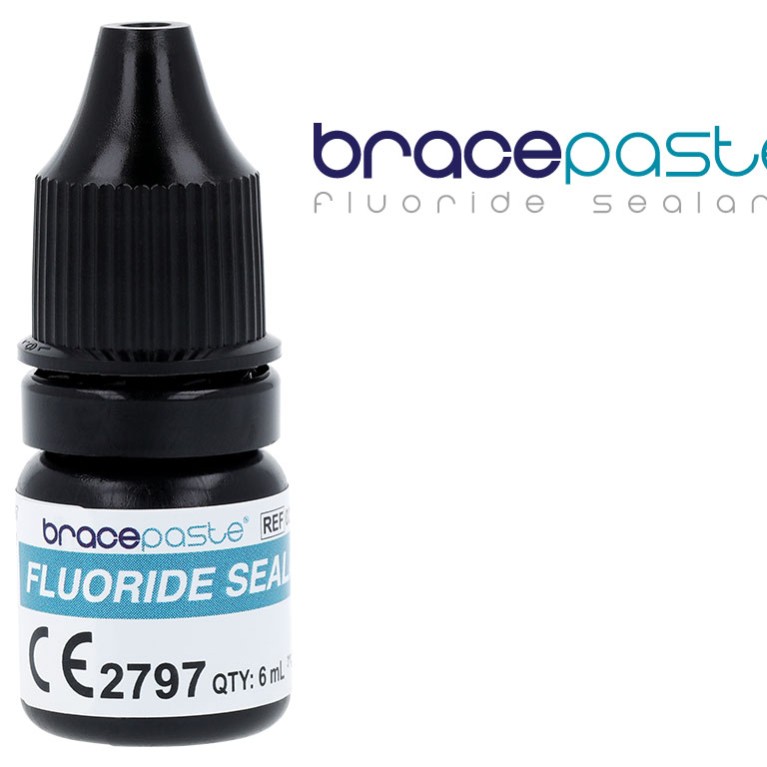
American Orthodontics Launches BracePaste Fluoride Sealant: Primer and Sealant in One
04/9/25
American Orthodontics is excited to announce the launch of BracePaste Fluoride Sealant, a primer and sealant in one . . .
Read More
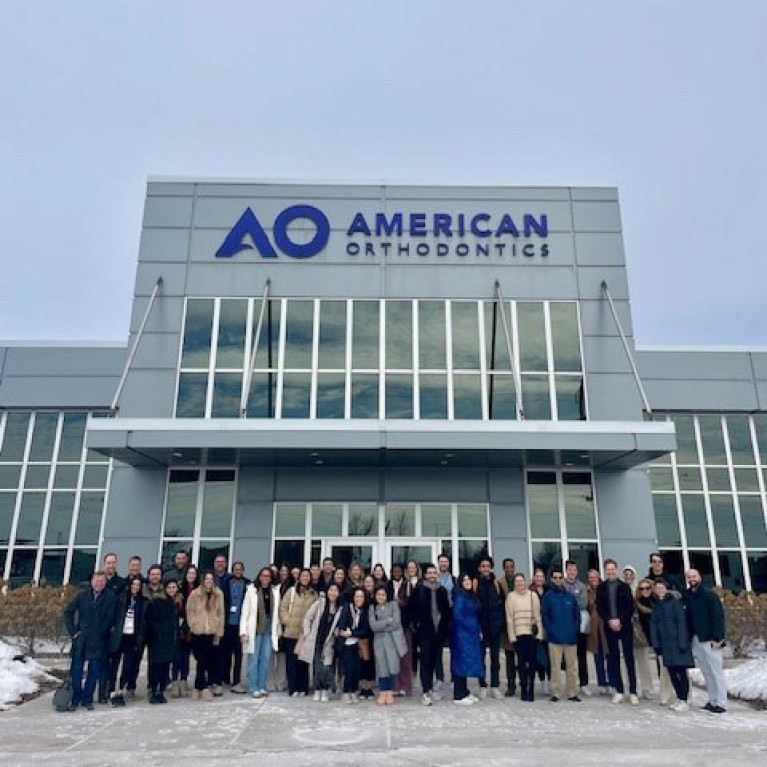
2025 February Resident Event
02/28/25
At the end of February, American Orthodontics hosted its 22nd resident summit, bringing together 35 orthodontic . . .
Read More
American Orthodontics Unveils New Champagne Aesthetic Finish for Best-Selling PowerBar Fixed Functional Class II Corrector
02/10/25
PowerBar is a fixed functional, direct bond orthodontic appliance for correction of Class II cases into Class I through efficient segmental tooth movement. The universal design . . .
Read More